Genuine Leather Gloves: Understanding Natural Character, Fit, and Performance
At Stompers Gloves, we believe the right pair of gloves should offer more than a good appearance. Materials, construction, and fit all contribute to how a glove feels, functions, and wears over time.
Whether you’re looking for refined everyday style, comfortable driving gloves, or close-fitting gloves for tasks requiring precise hand movements, understanding the differences in leather can help you make a confident choice.
The best glove isn’t necessarily the thickest, softest, or smoothest. It’s the one designed for how you intend to use it.
What to Expect from Genuine Leather
Genuine leather is a natural material, and each hide has its own characteristics. Subtle variations in grain, texture, color, and surface appearance are part of what makes leather distinctive.
Depending on the leather and its finish, you may notice small wrinkles, natural creases, healed scars, or other markings acquired during the animal’s life.
These characteristics are not necessarily defects. Many are normal features of genuine leather and can remain visible in a well-made pair of gloves.
Some markings are barely noticeable, while others become more apparent under direct lighting or close inspection. Their visibility depends on the type of leather, its finish, and where the marking appears.
What matters is whether a characteristic is purely cosmetic or affects the leather’s integrity. Natural variations that do not weaken the material or interfere with construction are generally acceptable. Cuts, weak areas, or damage that compromise the glove are different matters.
A smooth, perfectly uniform appearance isn’t the only sign of quality. Well-selected natural leather can have character while still meeting the intended standards for appearance and performance.
Different Leathers Serve Different Purposes
Not all leather gloves are made from the same material, and not every type of leather is suited to the same task.
- Sheepskin: Valued for its softness, flexibility, and smooth feel. It is often used in fashion, driving, and dress gloves where comfort and appearance are important.
- Deerskin: Known for its supple texture and flexibility, making it a popular choice for comfortable everyday and cold-weather gloves. The warmth of a finished glove also depends on its lining and construction.
- Cabretta leather: A fine-grained sheepskin leather particularly well suited to gloves designed for a close fit and tactile sensitivity. When used in thin, flexible constructions, it helps wearers maintain a better feel for objects and controls.
Leather can also be finished or treated to achieve specific characteristics, such as a more uniform appearance or improved water repellency. These properties depend on the particular treatment and construction.
Some gloves use synthetic materials instead of leather, especially when features such as breathability, flexibility, or specialized grip are priorities.
No single material is best for every situation. The important consideration is how its properties support the glove’s intended use.
Pratt and Hart: Comfort and Classic Style
Pratt and Hart brings together refined styling, comfort, and everyday practicality. Its collection includes leather gloves designed for driving, commuting, cold-weather wear, and occasions when a polished appearance matters.
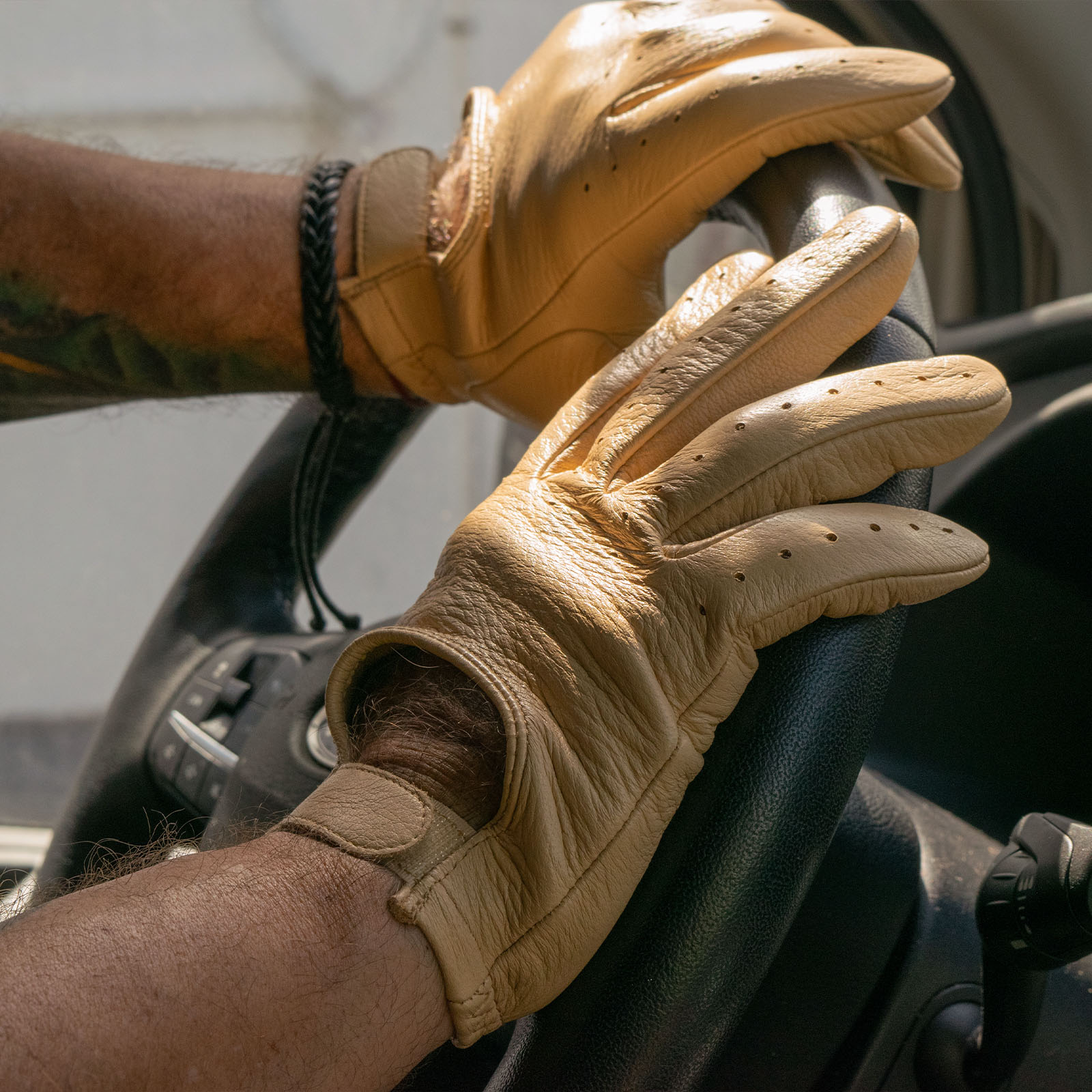
Selected styles use supple sheepskin or deerskin for their pleasant feel, natural flexibility, and classic leather appearance.
These materials can soften and develop creases with wear, giving gloves a more lived-in character. Depending on the design and construction, some leather gloves may also gradually adjust to the shape of the wearer’s hands.
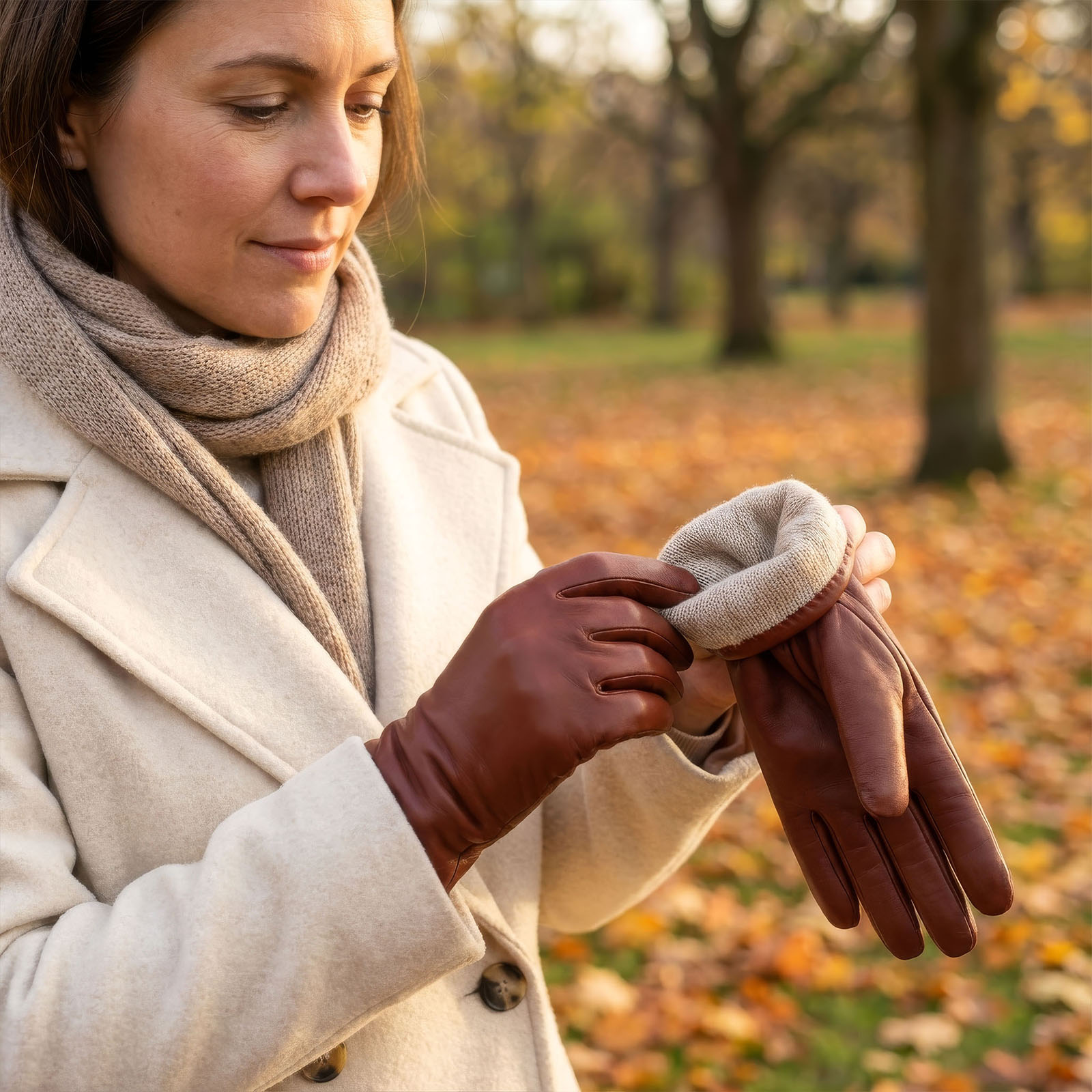
Lined winter gloves and unlined driving gloves serve different needs. Insulation, leather thickness, and fit all influence comfort and performance, so selecting the appropriate style matters as much as choosing the leather.
For customers who appreciate traditional styling without sacrificing everyday comfort, Pratt and Hart offers a range of practical, well-dressed options.
Tough Gloves: Dexterity and Tactile Control
Tough Gloves emphasizes close-fitting designs, sharp styling, and precise hand movement. The collection includes gloves suited to professional uniforms, driving, and other activities where dexterity and tactile feedback matter.
Several Tough Gloves styles use ultra-thin Cabretta leather to reduce bulk and provide a closer connection between the hand and the objects it handles.
This construction is particularly useful for tasks involving small objects, writing, operating controls, or other detailed movements where thick gloves might feel restrictive.
However, thin leather comes with considerations.
A lightweight, flexible glove designed for tactile sensitivity is not necessarily intended for heavy abrasion, repeated friction against rough surfaces, or demanding manual labor.
Thicker or reinforced materials may be better suited to those activities, depending on the design and tested capabilities of the glove.
Tough Gloves offers different styles and constructions, so customers should consider the specific model rather than assume that every pair provides the same level of dexterity, warmth, or durability.
The goal is to choose the right balance of fit, feel, and function for the intended task.
Natural Leather Characteristics vs. Manufacturing Defects
Understanding the difference between natural leather variations and actual product defects can help you evaluate your gloves more confidently.
Natural leather characteristics may include:
- Subtle differences in grain or surface texture
- Small wrinkles and creases
- Minor variations in color or finish
- Healed scars or other natural surface markings
- Gradual softening and creasing through normal wear
These features can be part of the leather’s natural appearance and do not automatically indicate poor quality.
Potential product defects may include:
- Broken, missing, or improperly secured stitching
- Seam separation
- Tears or holes unrelated to ordinary wear
- Weak or damaged leather that affects the glove’s integrity
- Faulty closures or other construction problems
Not every visible imperfection is a defect, but not every marking should automatically be dismissed as natural character.
The location, severity, and effect on the glove’s structure or function are important considerations.
If you notice a questionable area on a new pair of gloves, contact Stompers Gloves for assistance before putting them into use.
How Genuine Leather Changes with Wear
One of the appealing qualities of natural leather is the way its appearance and feel can develop over time.
With regular use, leather gloves may gradually soften, develop creases around the fingers and palm, and show subtle changes in color or surface texture.
The extent of these changes depends on the leather, its finish, the glove’s construction, and how frequently it is worn.
A close-fitting leather glove may become more comfortable as the material relaxes, but significant stretching should not be expected to correct an improper size.
Gloves that are excessively tight, restrict finger movement, or place strain on the seams should not be worn in the hope that they will eventually stretch enough to fit.
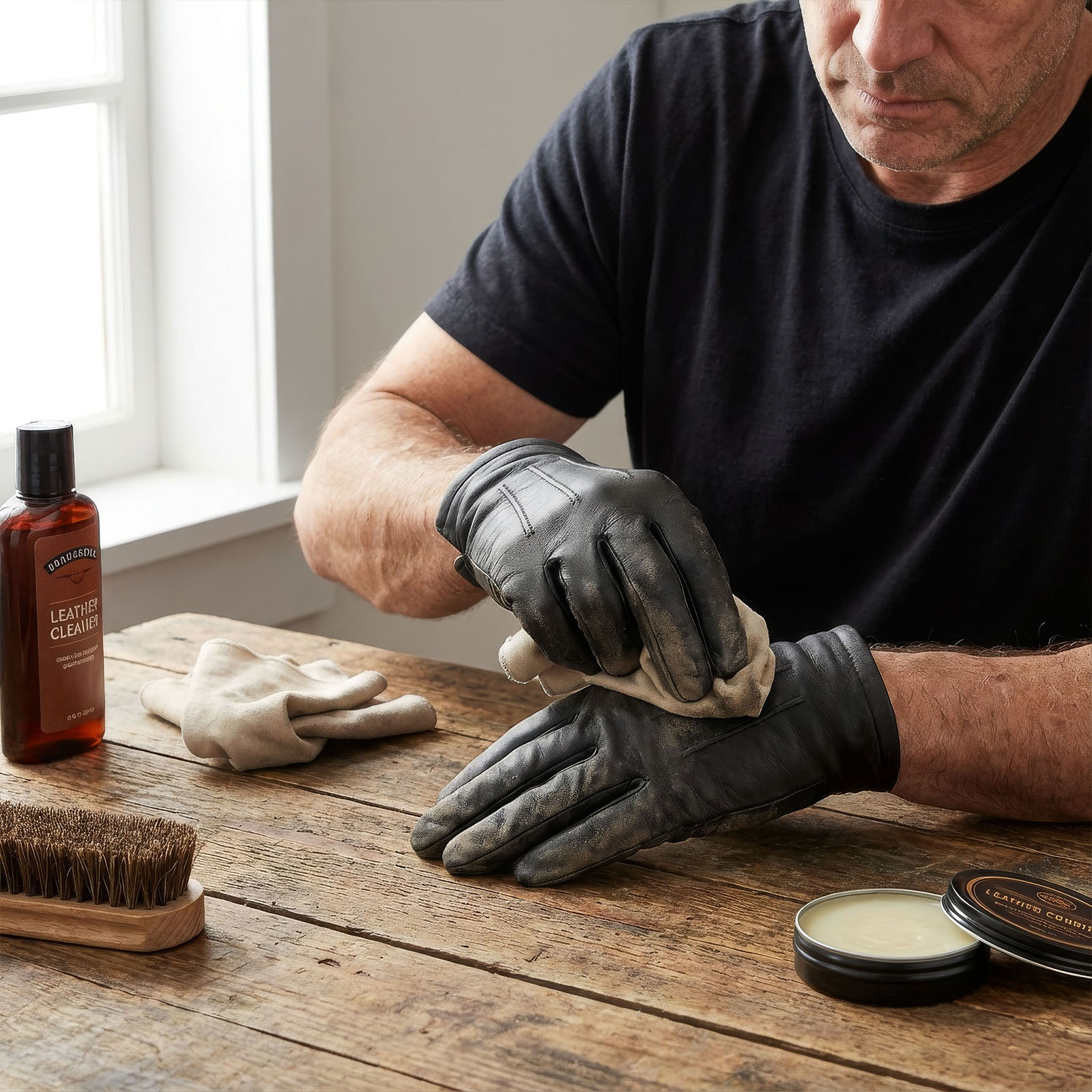
Likewise, leather that becomes excessively dry, damaged, or weakened is not simply developing character. It may need attention or replacement.
Following the care instructions for your particular gloves can help maintain their appearance and condition.
Choosing the Right Leather Gloves
When selecting gloves, start by considering how you plan to use them.
- Everyday dressing and driving: Softness, flexibility, and a comfortable fit may be the main priorities.
- Cooler weather: Look beyond the leather itself and consider the lining, insulation, cuff design, and overall construction.
- Tasks requiring tactile sensitivity: A thin, close-fitting glove may offer better feedback and freedom of movement than a bulkier design.
- Activities involving abrasion, impact, or other hazards: Choose gloves specifically designed and appropriately rated for those risks rather than relying on leather thickness alone.
Fit is equally important. A glove should allow natural hand movement without excessive looseness, uncomfortable pressure, or unnecessary material bunching around the fingers.
The right material and fit work together to deliver the experience the glove was designed to provide.
Frequently Asked Questions About Genuine Leather Gloves
Are natural marks on leather gloves considered defects?
Not necessarily. Small wrinkles, variations in grain, and healed scars can be normal characteristics of genuine leather. However, markings that weaken the material or interfere with construction may indicate a problem.
Does smoother leather mean better quality?
No. Surface uniformity can result from natural hide selection or finishing processes. Leather quality also depends on the material’s condition, suitability, construction, and intended use.
Will genuine leather gloves stretch over time?
Some leather gloves relax and conform slightly with regular wear, but the amount varies by material and construction. Stretching should not be relied upon to correct a glove that is too small.
Are thicker leather gloves more durable?
Not always. Thickness can contribute to resistance against certain types of wear, but durability also depends on leather quality, construction, reinforcement, and the activity involved. Thicker leather does not automatically provide greater protection against every hazard.
Are all leather gloves water-resistant?
No. Some leather gloves have water-repellent treatments, while others do not. Check the specifications of the individual style before exposing gloves to wet conditions.
The Right Leather for the Right Purpose
Genuine leather has a character that synthetic uniformity cannot always reproduce. Its natural grain, subtle variations, and changing appearance are part of the appeal of owning leather gloves.
But appearance is only one consideration.
From the soft, classic styling of Pratt and Hart to the close-fitting precision of Tough Gloves, different materials and constructions serve different needs.
Understanding those differences makes it easier to appreciate natural leather characteristics, recognize genuine construction problems, and select gloves that suit your lifestyle.
Explore the Stompers Gloves collection and find the pair that feels right for you.
“`